


Businesses incorporating sustainability into their strategies and proactively managing climate-related risks are well-positioned to benefit from emerging prospects in areas such as solar energy, green hydrogen, digital technologies, and advanced manufacturing
The global shift toward a ‘Just Transition’ — (i.e.,) fostering sustainable, resilient, and inclusive economies in response to climate change and decarbonization — is now a critical consideration for business strategy.
For companies in the Middle East, particularly within the UAE, this trend is increasingly shaping daily operations, future investment decisions, and financial outcomes.
Read: Dubai Municipality’s upcoming strategic projects to boost urban quality of life, sustainability
Relevance of the ‘Just Transition’ to business
Historically, Middle Eastern economies, including the UAE, have relied heavily on oil and gas, which account for approximately 40 percent of regional GDP and 90 percent of UAE exports. However, with worldwide investment in renewables reaching $1.7 trillion in 2023, the region is undergoing rapid adaptation.
The UAE’s Net Zero by 2050 Strategic Initiative, the first of its kind in the Middle East and North Africa, has catalyzed over $40 billion in renewable energy investments since 2010, facilitating new industries and fostering growth.
In support of these developments, the UAE government has introduced frameworks for green labelling and incentives, while the Environmental Protection Law continues to guide actions on pollution control, waste management, and resource conservation.
Additionally, initiatives such as Abu Dhabi Sustainability Week and the successful hosting of COP28 in Dubai in 2023 have positioned the UAE as a prominent participant in global climate action. The ‘Just Transition’ approach is not solely policy-driven; it also yields opportunities for profit and organizational resilience.
Businesses incorporating sustainability into their strategies and proactively managing climate-related risks are well-positioned to benefit from emerging prospects in areas such as solar energy, green hydrogen, digital technologies, and advanced manufacturing.
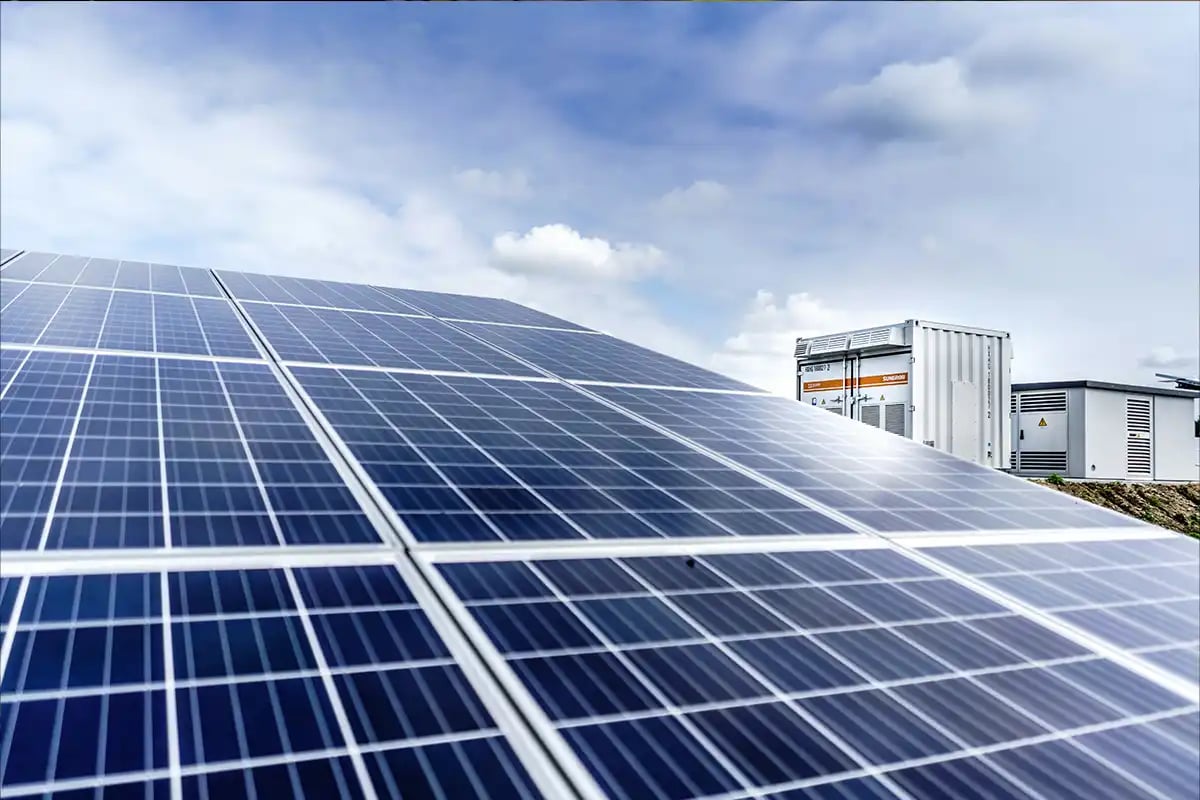
Projects like the Mohammed bin Rashid Al Maktoum Solar Park, projected to deliver over 5,000 megawatts by 2030, exemplify the transformative effect of sustainable initiatives on the energy sector and broader economy.

Current opportunities
Among the ongoing initiatives taking place in the region are:
– New industries: The growth of renewable energy and green technology sectors generates numerous opportunities for service providers, manufacturers, and entrepreneurs, supported by regulatory measures such as the Dubai Clean Energy Strategy 2050, which targets a 75 percent share of clean energy by mid-century.
– New jobs: With up to 42 million renewable energy jobs anticipated globally by 2050, the Middle East’s skilled and youthful workforce represents a competitive advantage for progressive employers.
– New investment: Organizations demonstrating robust sustainability practices are increasingly appealing to investors and international partners, especially as green certifications and reporting requirements become more widespread under frameworks such as the UAE Sustainable Finance Framework.
– Enhanced reputation: Implementing sustainable business practices strengthens corporate reputation and stakeholder trust, guided by strategic roadmaps like the UAE Green Agenda 2030.
Addressing a United Nations Energy Transition Dialogue in 2023, Dr. Sultan Al Jaber, COP28 president, stressed: “We must anchor our response with a rapid, well-managed, and just energy transition.” This directive is just as relevant for businesses across the region.
Risks and mitigation strategies
Significant economic transitions can present challenges. Over five million individuals in the Middle East are employed in fossil fuel sectors, and rapid changes may lead to job losses or economic instability if not carefully managed.
Oil-dependent regions may face declining revenues with potential impacts on public services and local economies, and exclusive approaches risk disadvantaging certain communities. The physical risks of climate change might also have threatened the future profitability of real estate and tourism businesses.
Nevertheless, proactive strategies can convert these risks into opportunities. Investing in workforce training, diversifying product portfolios, and establishing strategic partnerships enable businesses to remain competitive. A study by the International Labor Organization (ILO) and Islamic Development Bank found that the MENA region could create 10 million new jobs by 2050 through green industrialization, and that the Just Transition could accelerate GDP growth to 7.2 percent.
To assist those workers who might be displaced by the shifts to new technologies and renewable energy, the UAE Ministry of Human Resources and Emiratization has introduced innovative social protection programs to ensure the well-being of workers amid the economic repercussions of climate change.
Companies also need to be mindful of the health risks that rising global temperatures pose to their workers. The ILO predicts a significant increase in sickness, disability and death among outdoor workers exposed to extreme heat. A Just Transition also includes taking steps to improve protections for affected workers.

A strategic roadmap for success
The following are some of the key factors that can help in the development and implementation of a strategic roadmap moving forward:
– Talent development: Prioritize skills development in STEM, digital, and green industries to prepare the workforce for future demands, leveraging government-backed initiatives such as those led by the UAE Ministry of Education and the National Employment Strategy 2031.
– Portfolio diversification: Identify and pursue opportunities in emerging markets and sectors, including clean energy and carbon capture, utilizing guidance from platforms like the Dubai Integrated Energy Strategy 2030.
– Financial collaboration: Engage with banking partners offering sustainable finance products. Institutions such as First Abu Dhabi Bank, chairing the global Net Zero Banking Alliance, exemplify the region’s leadership in driving sustainable finance.
– Strategic partnerships: Collaborate with government bodies, academic institutions, and other businesses to maintain competitiveness, supported by national policies encouraging public-private partnerships.
The UAE’s commitment to renewable energy and sustainable finance provides a model for the region. Embracing Just Transition principles enables organizations to drive innovation, access new funding sources, and secure long-term relevance in an evolving economic landscape.
The next transition
The discovery of oil and gas fueled the region’s early economic growth, while diversification into financial services and tourism drove subsequent prosperity. The next economic transition in the Middle East — the Just Transition — hinges on the willingness of businesses to embrace change with foresight and agility. By aligning core strategies with the region’s evolving policy priorities, companies can not only be more resilient to risks but also unlock unparalleled opportunities for growth and impact.
The time to act is now — those who do will become the architects of a thriving, sustainable economy for generations to come.

William Allison is FTI Consulting’s managing director in the Middle East.
