


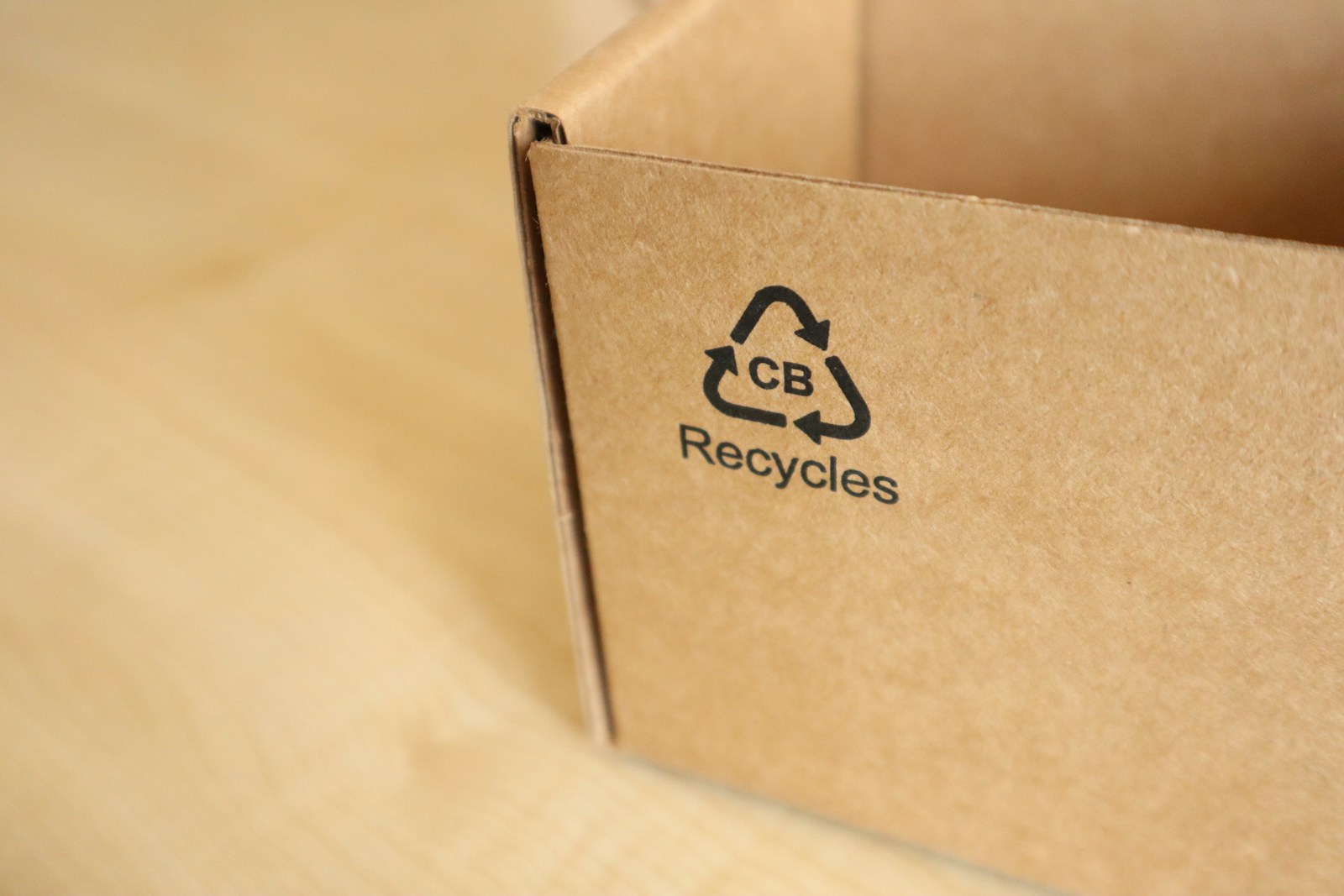
The packaging industry is evolving beyond traditional linear models toward more circular, sustainable approaches. With growing attention on resource efficiency, waste reduction, and climate impact, the circular economy, where materials stay in use longer and waste is minimized, is gaining traction as a framework for long-term value creation. However, achieving circularity requires coordinated changes across the entire packaging lifecycle, from design to recovery.
Emerging technologies like artificial intelligence (AI) are playing a supportive role in this shift, helping identify new efficiencies, improve decision-making, and streamline processes. At Amcor, we’re exploring how AI can contribute to this transformation across areas such as product design, operational safety, manufacturing, and material recovery.
Enabling smarter packaging
Advancing a circular economy means rethinking how we design packaging to reduce waste, increase recyclability, and lower environmental impact. Yet, navigating this shift isn’t simple. It requires balancing a wide range of factors, from material science and supply chain constraints to consumer expectations and evolving regulations. This is where artificial intelligence is beginning to add value, helping companies process complex data and make better-informed decisions faster.
One of the clearest applications of AI is in the design phase. Machine learning tools can evaluate multiple inputs like product size, fragility, shipping needs, and market preferences to support packaging designs that use fewer materials while maintaining performance and shelf presence. In doing so, AI helps reduce raw material use and contributes to lower transport emissions by optimizing packaging weight and volume. One example of how Amcor uses these tools is leveraging AI to help design 3D models of rigid bottles. These tools simulate and tweak a wide range of items (e.g., wall thickness), iterating a large number of designs and ultimately reaching a faster speed to market.
AI can also support material selection by identifying recyclable or lower-impact options based on performance needs and sustainability goals. By simulating how new materials behave in real-world scenarios, businesses can test and iterate faster, speeding up innovation timelines that have historically taken years.
AI within supply chains and operations
Building a circular packaging system goes beyond material choices. It also depends on how products are manufactured, distributed, and recovered. AI is beginning to support smarter, more responsive supply chains by helping companies improve how materials and products flow through the system.
AI-enabled tools can help forecast demand more accurately, align production with market needs, and reduce excess inventory, contributing to lower waste and more efficient use of resources. In operations, predictive analytics can support just-in-time manufacturing approaches, helping minimize unnecessary packaging and optimize resource planning.
Recycling and waste management with AI
Recycling plays a critical role in closing the loop, but managing the complexity of modern packaging materials remains a challenge. Traditional sorting systems often fall short when dealing with contamination or multi-material formats. AI technologies are beginning to help bridge that gap.
Computer vision and robotics, powered by AI, are being used to support more accurate and efficient material sorting. These systems can identify and separate different packaging types with greater precision, even as new materials and formats enter the market. The result is a higher quality of recycled material and better recovery rates.
As these technologies learn and improve over time, they offer the potential to recover materials that were once too difficult to sort or process, helping reduce waste and return more packaging into the production cycle.
At Amcor, we are actively engaged in such topics, having invested in the company “Greyparrot” through our Amcor Lift-Off program. Together, we aim not only to improve efficiency at our recycling centers but also to allow our customers to have an overview of what gets recycled from their products (useful especially if changes in packaging formats or materials are taken).
Challenges and opportunities
While AI offers valuable tools to support circular economy goals, its adoption comes with practical and ethical considerations. Data privacy, cybersecurity, and the need for skilled talent to manage and interpret AI systems remain important factors. For some businesses, particularly smaller ones, the cost of advanced technologies can be a limiting factor. There’s also a need to stay mindful of issues like algorithmic bias and the broader implications of automation.
That said, as AI technologies continue to evolve and become more accessible, their integration into packaging and circular practices is likely to deepen. Real progress will depend not only on the technology itself, but on collaboration—bringing together industry players, researchers, policymakers and tech providers to scale solutions responsibly and effectively.
The future of packaging
The intersection of AI, data, and circular economy thinking is beginning to reshape what packaging can be, not just a protective layer, but a smarter, more sustainable part of the value chain. For example, emerging solutions may one day help packaging signal how it should be sorted or recovered, improving outcomes for both consumers and recyclers. Supply chains, too, are moving toward greater visibility, enabling better tracking of materials and more efficient use of resources.
Elements of this future are already taking shape. Companies are applying AI to reduce waste in design, streamline operations and support material recovery. As more businesses take a circular approach and invest in digital tools, packaging has the potential to lead by example showing how technology can be applied to solve real sustainability challenges and drive long-term impact.
At Amcor, we also continue to work on these exciting developments and new technologies, working with both cutting-edge start-ups and scale-ups, together with our existing solutions providers, and closely following new breakthrough innovations.
As VP of Corporate Venturing and Open Innovation at Amcor, Frank Lehmann focuses on identifying and investing in breakthrough technologies that drive sustainability and growth in the packaging industry. His expertise spans corporate venture funding, circularity, and emerging energy technologies – key areas shaping the future of sustainable packaging.
With a background in physics, Frank takes an analytical, data-driven approach to assessing new ideas. Combined with his extensive experience in corporate venturing, this allows him to identify high-potential innovations that can make a real impact, not just for Amcor but for the broader industry and society.
TNGlobal INSIDER publishes contributions relevant to entrepreneurship and innovation. You may submit your own original or published contributions subject to editorial discretion.
Featured image: Ochir-Erdene Oyunmedeg on Unsplash
The climate tech paradox: Why Asia’s biggest market gets the least capital
